
Geopolitics for business decisions
The front line makes the headlines. The path that brings a crisis into a company’s finances rarely does.
The news covers wars, sanctions and routes under pressure. It is easy to assume they concern someone else: governments, multinationals or companies operating on the other side of the world. Then a component fails to arrive, a payment is blocked or the margin on an order no longer holds.
State Reach traces how an event affects a company's operations, checks the available information and compares choices involving suppliers, markets, investment and institutional relationships.
- Supplier
- Market
- Investment
- Institutions
The current context
The global order is coming apart.
The rules that made trade, routes and investment predictable are under increasing pressure. Conflicts, sanctions, trade restrictions and industrial policies are fragmenting access to markets, technology and infrastructure. Understanding this shift comes before assessing its consequences for individual decisions.
65 · Armed conflicts involving at least one state in 2025
The highest number recorded by UCDP since 1946. UCDP · 2026
11.1% · Share of world imports affected by new measures
USD 2,640 billion in world imports affected by new tariffs and other measures applied to imports, from mid-October 2024 to mid-October 2025. WTO · 2025
Value of affected imports · USD billions
Business decisions
Agreements and incentives
Before entering a market, moving a supply source or investing in a plant, a business needs to know which agreements and incentives it can use.
The assessment must cover not just the announced benefit, but also origin requirements, timing, eligibility conditions and commitments that remain after the investment.
Business decisions affected- Market access
- Investment incentives
- Production location
- Rules of origin
- Investment commitments
Sanctions
Sanctions can change whether a business can buy, sell, finance or complete an agreed transaction.
The check covers goods, countries and the parties involved, including intermediaries and relevant ownership structures. Its purpose is to decide whether to proceed, change the transaction or review the commercial relationship.
Business decisions affected- Trading counterparties
- Goods and destinations
- Banks and intermediaries
- Contract execution
- Risk of blocking
Export controls
Export controls can affect whether to accept an order, appoint a distributor, transfer technology or promise long-term support.
The product, destination, end user and what happens after the first delivery, including spare parts and updates, all need to be checked.
Business decisions affected- Export licences
- End user
- Re-export
- Support and spare parts
- Technology transfer
Credit and payments
Accepting an order, offering credit, buying ahead or entering a new market requires knowing when cash will arrive and how much liquidity will be needed in the meantime.
Available banks, currency, cover and contract terms can change the decision even where the expected margin appears adequate.
Business decisions affected- Payment terms
- Credit cover
- Currency risk
- Cash for the order
- Supporting banks
Information and cyber
Before adopting a digital service or entering a technology partnership, a business needs to know which data it exposes, who controls the resulting product and how operations would continue during an outage.
These checks affect the choice of partner, contract and alternatives to retain.
Business decisions affected- Data access
- Intellectual property
- Network continuity
- Digital dependencies
- Service portability
Routes and security
Deciding where to buy, how much stock to hold and what delivery times to promise requires knowing the goods' actual route.
Ports, crossings, inspections and security conditions can make a route unusable; an alternative matters only if it has capacity and meets the delivery requirements.
Business decisions affected- Actual itinerary
- Ports and border crossings
- Delivery times
- Stock levels
- Alternative routes
National security and markets
National security is not only for major corporations.
Small and medium-sized businesses are part of national-security supply chains when they provide components, technologies or services on which strategic activities depend. Infrastructure, technology, routes and production capacity also matter to government decisions on access, ownership, use and continuity. State Reach analyses where these public interests meet the market.

Aerospace, defence and security
An aerospace or defence system brings together products developed and maintained by different businesses, often across countries. Even a small supplier may hold expertise that is difficult to replace; its choices about partners, technical rights and production capacity shape its role in the programme.
The supply chain involves the public customer, programme lead, system suppliers and SMEs making components or providing maintenance. A component qualified for a platform may need further testing before replacement. The company needs to establish who controls designs and software, which conditions apply to exports and end users, and who can authorise a change or a new partner.
A change in government priorities, alliances or security requirements can alter funding, supplies and the ability to deliver. The analysis supports decisions about the country, partner and contractual commitments before investing in participation.
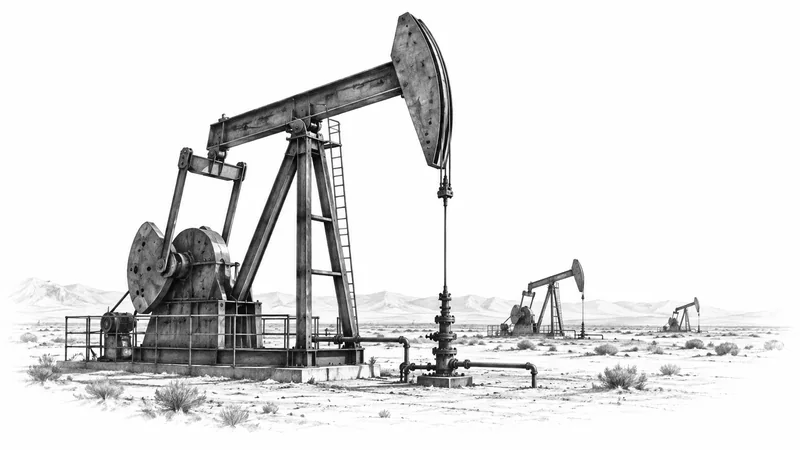
Energy and critical infrastructure
An energy infrastructure project brings together capital, land, grid connections, equipment and public decisions over several years. Businesses in the supply chain must decide when to commit resources, which capacity to reserve and how to manage delays beyond their direct control.
Grid operators, energy producers, concession holders, permitting authorities and equipment suppliers affect different stages of a project. A power plant, storage site or industrial facility also depends on grid connection and the availability of fuel, transformers and spare parts. The questions are concrete: who guarantees capacity and access, which approvals are missing, and what happens if an essential supplier is disrupted.
A plant may be ready yet unable to operate if a connection, upstream or downstream infrastructure, or a required public decision is missing. The analysis reconstructs these dependencies and tests which conditions must remain in place for the investment to be viable.
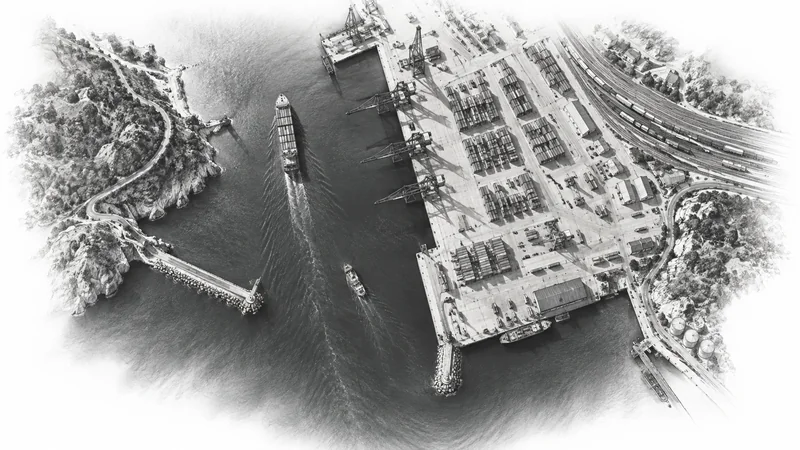
Logistics and food security
Food businesses depend both on the goods they sell and on the fertiliser, energy, packaging and transport needed to produce and deliver them. Choosing origins, stock levels and logistics partners requires an understanding of seasonality, health requirements and route capacity.
Farmers, processors, exporters, carriers, port terminals, customs and distributors form a chain in which a delay can jeopardise the entire order. Perishable products also depend on temperature, storage and remaining shelf life. Seasonal availability, cold-chain capacity, health documentation and customs clearance times need checking, alongside insurance and the ability to route goods through an alternative corridor.
Before reducing inventories, changing origin or signing a long-term contract, the business needs to verify whether the alternative route has real capacity, whether the substitute product meets technical and regulatory requirements, and how long it will take to make it usable. Diversifying the supplier does not protect continuity if different goods still depend on the same port, route or public decision.

Industry and critical technologies
Advanced machinery, robotics and semiconductors depend on different businesses for design, manufacturing, integration, software and support. Investing in these technologies requires attention to the long-term availability of components and the work needed to qualify a substitute.
In semiconductors, design, fabrication, assembly and testing can depend on different companies and countries; specialised materials and equipment add further dependencies. Robotics also involves integrators, controller manufacturers and software suppliers. Before purchasing, the company needs to know who can provide chips, spare parts, licences and support, how long qualifying a replacement takes, and which restrictions could interrupt support.
The decisive question is what would happen if the manufacturer could no longer provide software, components or technical support because of a decision by its government. Before purchasing, the business needs to know which functions it can manage independently, which depend on the supplier, and how feasible it would actually be to replace the technology.
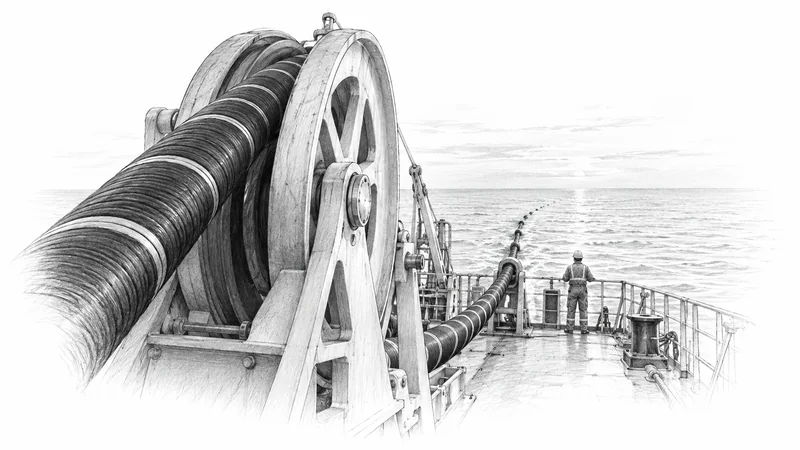
Telecommunications and digital infrastructure
Contracts with two different providers may still rely on the same cables, data centre or power grid. For digital service providers and their customers, the network's physical structure matters as much as commercial terms.
Telecom operators, submarine-cable consortia, data-centre operators and cloud providers control different layers of the service. Two brands may use the same cable, landing point, backbone or electricity grid. Beyond checking route independence, the company needs to establish where data resides, who manages access and updates, how long repairs take, and whether applications and data can be transferred to another provider.
Before treating continuity as protected, ownership, routes, jurisdictions, repair capacity and recovery times need to be reconstructed. A backup connection is genuine only if it can continue to operate during the event that disrupts the primary one.

Public order and operational continuity
Plants, sites, warehouses and shops depend on daily access for workers, suppliers, customers and emergency vehicles. Protests, strikes, blockades and restrictions imposed by authorities can alter that access; businesses must plan staffing, supplies and site continuity accordingly.
Local authorities, police, transport operators, worker representatives and security providers affect site access. Protests, strikes, roadblocks or security perimeters can stop shifts and supplies without damaging the plant. The company needs to identify who decides restrictions, which entrances remain usable, how staff and emergency services can reach the site, and when to reduce or suspend operations.
Before keeping an operation open, reducing it or relocating it, the business needs to understand who decides the restrictions, which signals precede them, which alternative access routes exist, and how long the site can continue to operate. The risk is not only physical damage. It is losing access to an operation that would otherwise still be able to function.
Method
The same analytical discipline, whatever the decision under review.
The work begins with the choice the business must make. Information is checked against that choice; only then are alternatives and conditions for proceeding compared.
One route, several analytical layers
- Decision
- Evidence
- Analysis
- Alternatives
- Outcome
Sources, methods and risk assessment enter the route where needed. Noble and the technical infrastructure support the work; AI assistance remains subject to human review.
Explore the methodDemonstration case
From the Red Sea to a small business's orders: a decision before stock runs out.
Attacks on shipping in the Red Sea lead Maersk to divert its vessels. In this demonstration case, an Italian garlic importer has three weeks of stock and an Asian shipment already purchased but due in week six. Changing country is not enough: the route of any alternative shipment matters.
Documented diversion: Maersk, 5.1.2024.
Stock, offers and decision are demonstration case assumptions.
30 t garlic in stock
10 t weekly orders
6 weeks until the next arrival
The case decision
In this case, 40 tonnes from Egypt in two deliveries would cover orders and leave 10 tonnes in reserve. Management can authorise the purchase only after checking that the service avoids the exposed corridor and the first lot enters the EU in time.
Relevant engagement: Executive Risk Brief
Read the full exampleExpert network
The expertise a decision requires, brought together in one engagement.
The team is formed around the client: its size, sector, geographies and decision determine which expertise is needed. State Reach combines economic, geopolitical and institutional analysis with the specialist knowledge required for the engagement.
Strategy and finance
It examines how each alternative could affect revenue, costs, liquidity and committed capital. Estimates use the available company data and identify what is missing.
Geopolitical risk and national security
It connects international events, public policy and security issues to business operations. The analysis shows which dependencies matter to the decision and which signals to monitor over time.
Institutional relations
It maps the project's institutional path: agency responsibilities, permits, public priorities and stakeholders. It shows where a step could change its timing or feasibility.
Sources, data and methods
It checks documents and data before analysis: source, period, units and possible contradictions. Every conclusion remains connected to its supporting evidence.
Documents, geography and scenarios in one workspace.
Noble connects material, search, geography and analytical workflows. Authorised users can access the documents and context relevant to their engagement.
Documents
A supplier qualification example: a management brief, export documents, ownership and delivery conditions. Search and domains help bring together the information to verify and compare alternatives.
Geography
A logistics context example: destination country, infrastructure and goods entry points. The map makes the decision’s context visible; access, ownership and continuity remain matters for analysis.
Scenarios
An exercise on the continuity of an industrial corridor: port delays, reduced transport capacity and alternative routes. Demonstration sessions and events help explain dependencies, consequences and review conditions.
Contact
An analytical mandate built around leadership priorities.
The conversation starts with the situation the business faces. State Reach identifies the information needed and defines a proposal covering the work, timing and expected result.
The engagement begins once the scope, timing and deliverables have been approved.
Contact us